Strongest evidence
Appetite and weight
Large Phase 3 trials reported meaningful average weight reduction over roughly 68 weeks.
 COA Verified
Weight Loss Peptides
$120.00
Purchase option
Strength
Buy more, save more
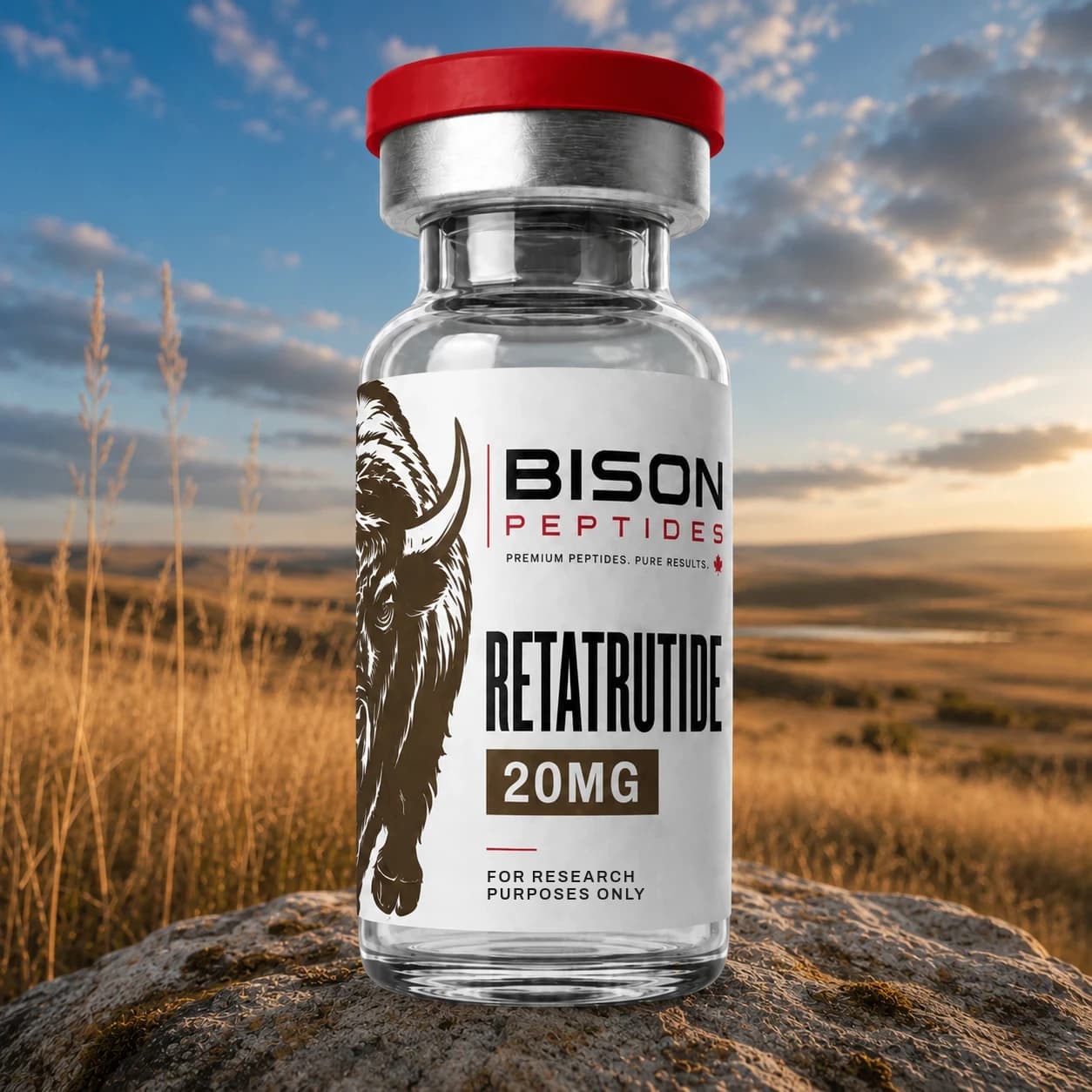
Semaglutide is a long-acting GLP-1 analogue studied in receptor-signaling, glucose-dependent, gastric-motility, appetite-signaling, and body-composition research. Bison Peptides supplies 10mg and 20mg lyophilized research vials.
These research vials are not Ozempic, Wegovy, Rybelsus, or another authorized drug product. They are not intended for human or veterinary administration.
Orders ship from within Canada in discreet packaging. Express delivery is typically 1–3 business days after dispatch.
Standard returns are not accepted because research materials cannot be safely restocked after delivery. Contact support promptly about damaged, incorrect, or compromised items.
Reconstitution calculator
Enter three known values. The calculator converts the total vial amount and water added into a concentration, then shows the liquid volume and equivalent U-100 syringe units for the quantity entered.
The calculator does not choose a quantity. It converts the quantity you enter. One milligram equals 1,000 micrograms.
Bacteriostatic water is generally the most appropriate choice for multi-use research preparation because it contains a preservative for repeated vial access.
Semaglutide buyer and evidence guide
Semaglutide is usually considered by buyers who want the most established GLP-1 evidence for appetite control, weight reduction, and glucose-related outcomes. It activates the GLP-1 receptor, which can increase fullness, reduce hunger, slow gastric emptying, and support glucose-dependent insulin signaling.
Large randomized trials make its expected benefits and common side effects easier to understand than newer research compounds. The practical product choice is simpler: the 10mg and 20mg vials list the same compound, while the larger vial contains twice the total material and may offer a lower displayed price per milligram.
Strongest evidence
Large Phase 3 trials reported meaningful average weight reduction over roughly 68 weeks.
Metabolic evidence
Semaglutide has extensive clinical research in type 2 diabetes and cardiovascular-risk populations.
Common tradeoff
Nausea, diarrhea, vomiting, constipation, and abdominal symptoms are the most frequent issues.
Product decision
The 10mg vial lowers upfront cost; the 20mg vial is for buyers who already need more total material.
The strongest evidence comes from authorized Semaglutide formulations used in controlled trials.
| Evidence | Population and duration | What was reported | Buyer takeaway |
|---|---|---|---|
| STEP 1 Phase 3 trial | 1,961 adults without diabetes, 68 weeks | About 14.9% average weight reduction versus 2.4% with placebo | Strong human evidence; not an individual prediction |
| STEP 5 two-year trial | Adults with overweight or obesity, 104 weeks | Weight reduction was largely sustained with continued treatment | Expect a long-term process rather than a short cycle |
| SELECT cardiovascular trial | Adults with established cardiovascular disease and overweight or obesity | Authorized Semaglutide reduced major cardiovascular events | Relevant to the medicine studied, not proof for a research vial |
Clinical outcomes from Wegovy, Ozempic, or other authorized formulations do not verify the identity, sterility, fill accuracy, or performance of a separately sourced vial.
Semaglutide is a long-acting GLP-1 analogue with a large human evidence base. For buyers, its main appeal is predictability: the mechanism, typical weight-loss curve, common adverse effects, and long-term outcomes are better documented than they are for most experimental peptides.
Its single-receptor profile also makes comparisons easier. Tirzepatide adds GIP activity and Retatrutide adds GIP plus glucagon activity, while Semaglutide focuses on GLP-1. More receptor targets do not automatically make another option a better fit, especially when evidence maturity and tolerability matter.
In the STEP 1 trial, adults with overweight or obesity who received the authorized 2.4mg weekly formulation plus lifestyle support lost an average of about 14.9% of body weight at 68 weeks, compared with 2.4% with placebo. Results varied, and trial participants received a standardized medicine with structured monitoring.
The useful expectation is gradual change rather than an immediate result. Appetite effects may be noticed earlier than the full body-weight outcome, while trial averages were measured over many months. Sleep, protein intake, resistance training, other medications, diabetes status, and individual tolerability can all affect the result.
The compounds are commonly compared in incretin research, but they engage different receptor combinations.
| Compound | Primary targets | Research profile | Bison strengths |
|---|---|---|---|
| Semaglutide | GLP-1 | Single receptor | 10mg, 20mg |
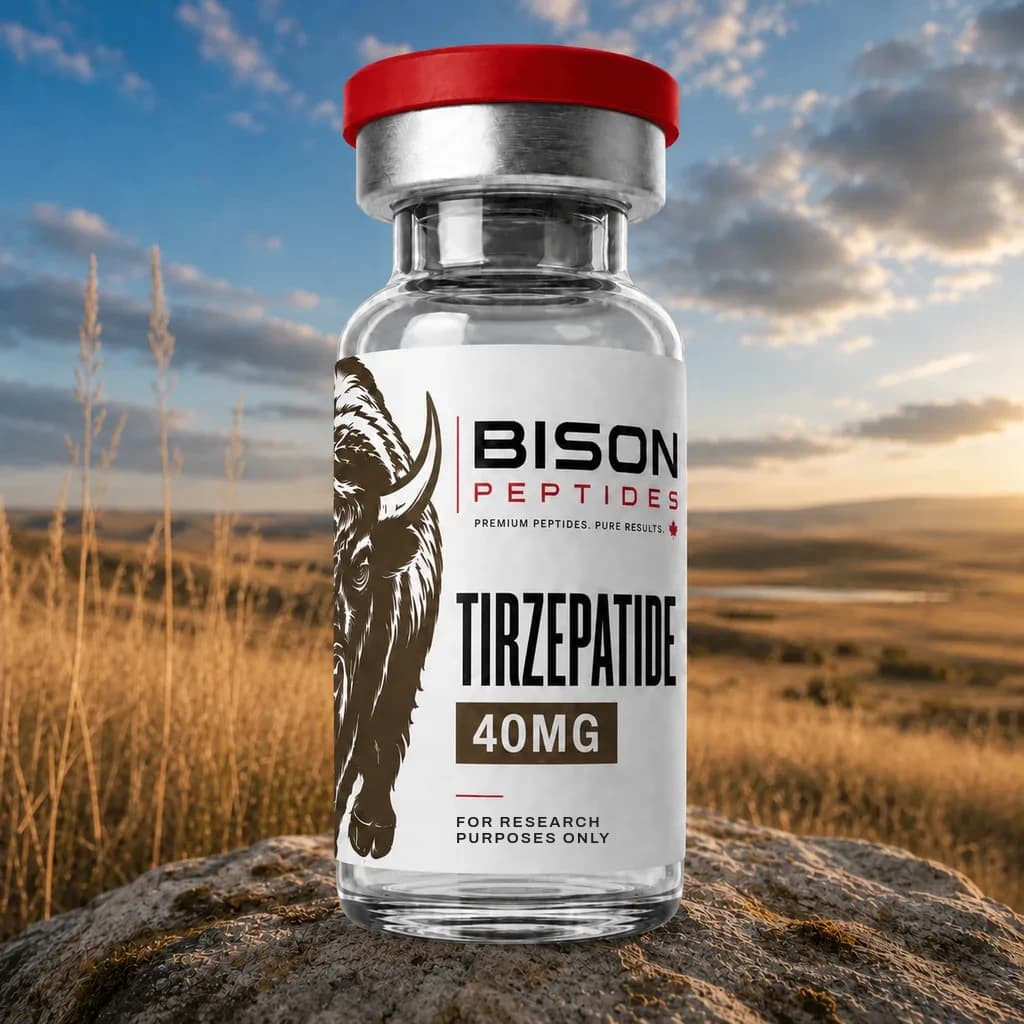
| Tirzepatide | GIP and GLP-1 | Dual receptor | 20mg, 40mg |
| Retatrutide | GIP, GLP-1, and glucagon | Triple receptor | 10mg, 20mg |
Semaglutide has the longest and most established weight-management evidence of the three. Tirzepatide reported larger average reductions in separate trials, while Retatrutide remains investigational. Cross-trial percentages are not head-to-head results.
Digestive effects are the most common, especially nausea, diarrhea, vomiting, constipation, abdominal discomfort, and reduced appetite. Clinical programs used gradual increases because gastrointestinal tolerability often changes as exposure increases.
Persistent vomiting or diarrhea can cause dehydration. Severe or continuing abdominal pain, symptoms of an allergic reaction, fainting, confusion, or symptoms of very low blood glucose warrant prompt medical assessment. People using insulin or sulfonylureas, or with a history of pancreatitis, gallbladder disease, severe gastrointestinal disease, pregnancy, or certain thyroid cancers need individualized medical screening rather than internet guidance.
The 10mg and 20mg labels describe total Semaglutide in the vial. The compound is the same. A 20mg vial contains twice as much total material, but it is not automatically a stronger individual amount or a faster option.
For a first order, 10mg is usually the more practical purchase because the upfront cost and potential unused material are lower. Choose 20mg when you already know you need twice the total quantity and the displayed price per milligram makes the larger vial more economical.
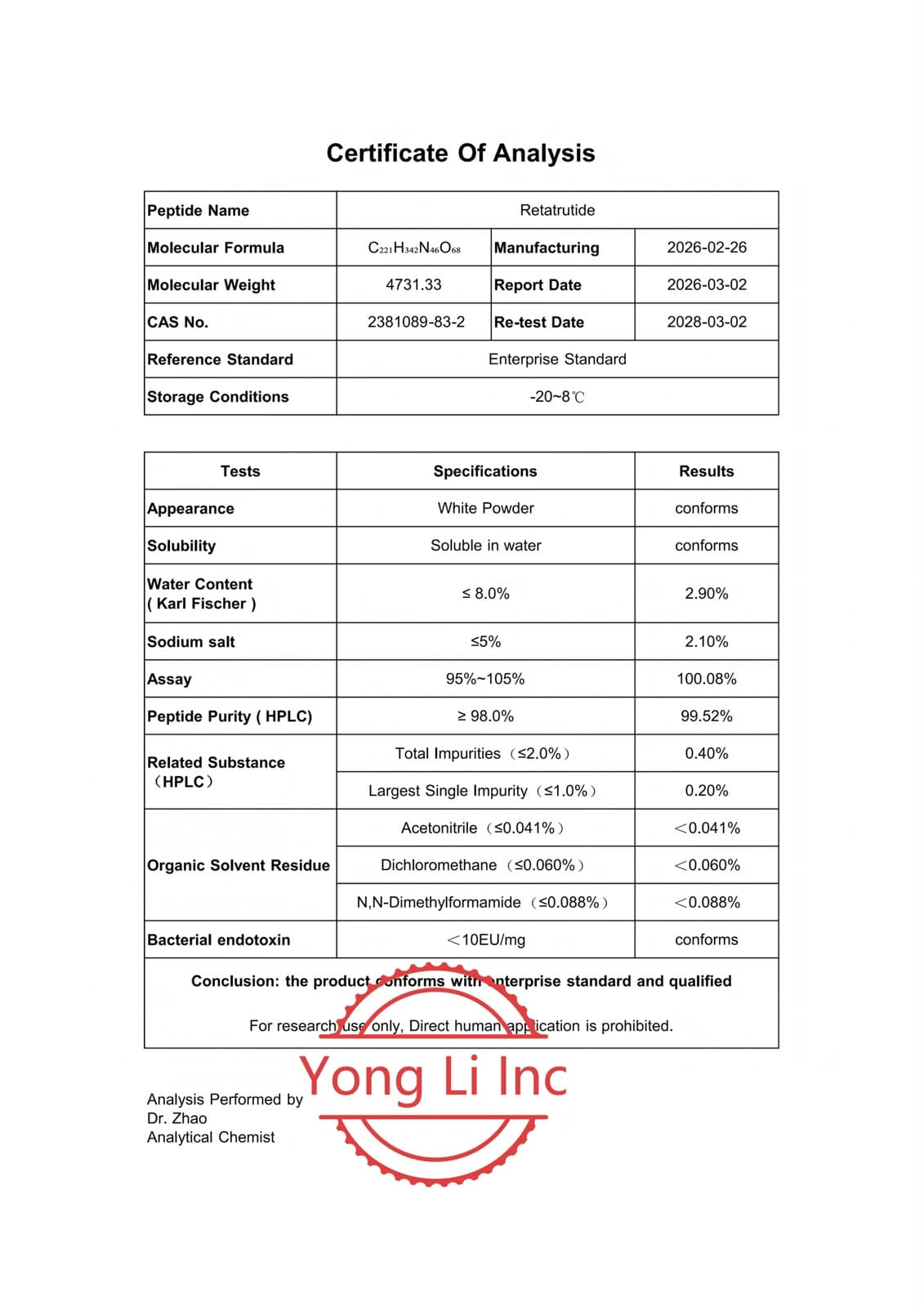
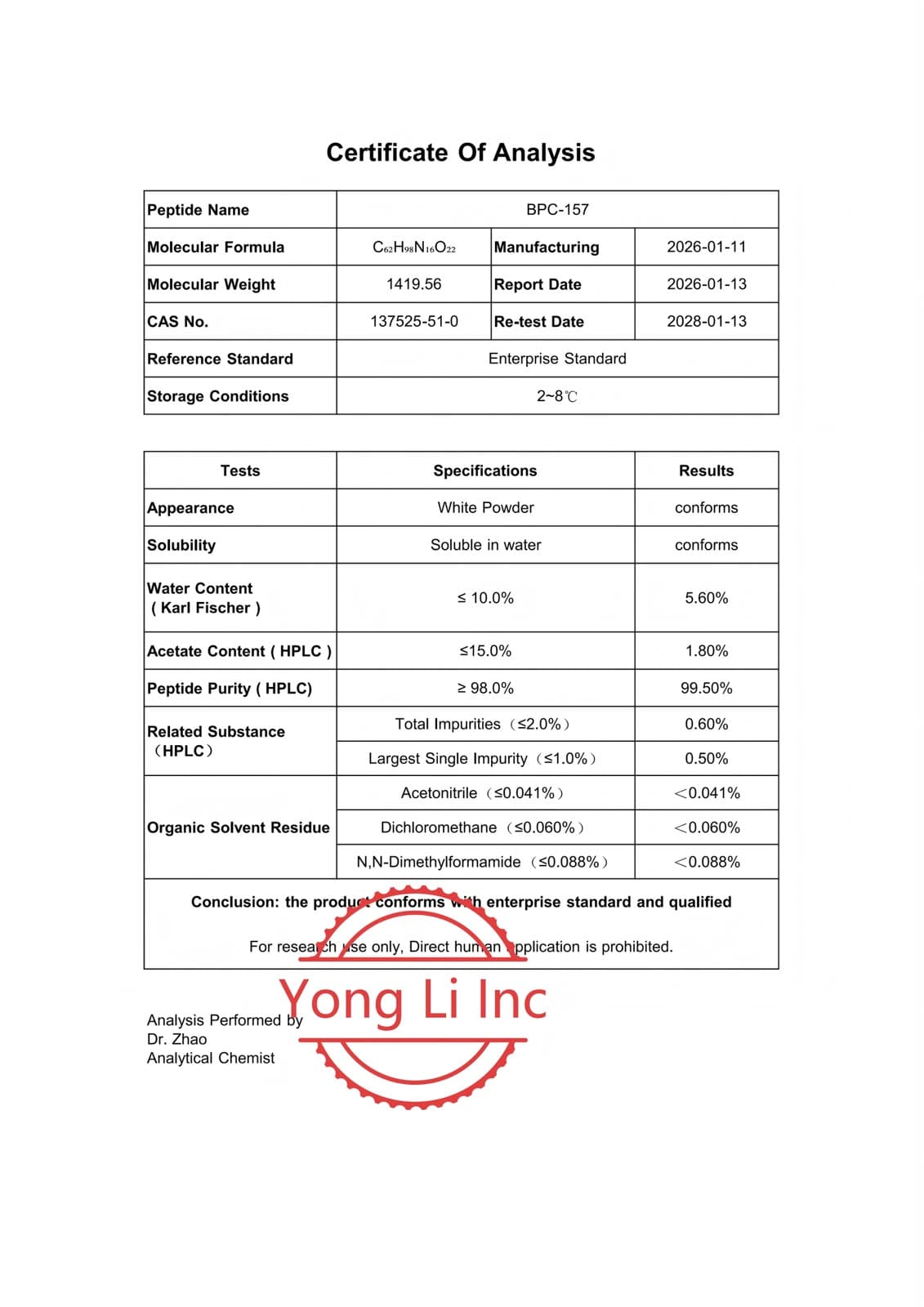
The listing identifies independent testing and COA availability. Before ordering, confirm that the available certificate identifies the compound or blend, batch or lot, test date, analytical method, and reported result. After delivery, compare the vial label with that exact documentation rather than relying on a generic certificate.
Identity, purity, fill quantity, sterility, and endotoxin testing answer different questions. A large purity percentage does not prove every other quality attribute, so buyers should check which tests are actually reported and avoid assuming that an unlisted result was performed.
The Bison Peptides Semaglutide vial is supplied as a technical laboratory research material, not an authorized prescription formulation. The page summarizes published research to help buyers understand the compound, evidence, and product format; it is not an individual treatment or dosing recommendation.
Content reviewed August 11, 2026 by the Bison Peptides editorial team.
“I ordered the 10mg vial and the process was very easy from start to finish. It arrived securely wrapped and clearly labeled. I especially appreciated that the website made it simple to see exactly which strength I was purchasing. Very professional experience overall.”
10mg ·
Ashley C. · Verified buyer
“Went with the 20mg option for my second order. Just like the first one, it arrived well protected and in perfect condition. The packaging is simple but professional and the labeling is clear. So far I've been very happy with the consistency between orders.”
20mg ·
Nicole B. · Verified buyer
“This was my first order and overall it went well. The Semaglutide vial arrived securely packaged and exactly as pictured. Shipping took a little longer than I expected, but everything arrived safely and customer service answered my question quickly. I would purchase again.”
10mg ·
Kevin L. · Verified buyer
Semaglutide has extensive human research for appetite reduction, body-weight management, glucose control, and cardiovascular outcomes in selected populations. The strongest weight-management trial reported about 14.9% average weight reduction at 68 weeks with the authorized formulation plus lifestyle support.
Weight change developed over months, not days. STEP trials measured primary outcomes around 68 weeks, and the average curve continued downward for much of that period before flattening. Individual timing and results varied.
The difference is total material in the vial. Both list the same compound. A 20mg vial contains twice as much total Semaglutide, but it is not automatically a stronger individual amount.
The 10mg vial is usually the more practical first purchase because it costs less up front and limits potential unused material. Choose 20mg when you already expect to need the larger total quantity and want the better displayed value per milligram.
Semaglutide targets GLP-1, while Tirzepatide targets GIP and GLP-1. Tirzepatide reported larger average weight reductions in its own obesity trial, but separate trials have different populations and methods. Semaglutide has a longer, highly established evidence base.
Nausea, diarrhea, vomiting, constipation, abdominal discomfort, and reduced appetite are the most common. Serious or persistent symptoms require medical assessment, especially when dehydration, severe abdominal pain, allergic symptoms, or low blood glucose may be involved.
No. Ozempic and Wegovy are authorized prescription medicines with specific formulations, devices, manufacturing controls, and indications. A lyophilized research vial sold by chemical name is not interchangeable with those products.
Look for the compound name, batch or lot, test date, analytical method, and reported identity or purity. A purity result does not by itself establish sterility, endotoxin level, fill accuracy, or suitability for injection.