Primary buyer interest
Skin and collagen research
GHK-Cu is studied in fibroblast, extracellular-matrix, collagen, and skin-delivery models.
 COA Verified
Healing Peptides
$100.00
Purchase option
Strength
Buy more, save more
Glow Blend is a supplier-defined 70mg research formulation listing BPC-157, GHK-Cu, and Epitalon. The components appear in different preclinical literatures involving tissue response, extracellular-matrix biology, copper-peptide chemistry, and cellular-aging models.
The catalog does not publish the amount of each component. Researchers should confirm the current component ratio and batch documentation before using the blend in a protocol.
Orders ship from within Canada in discreet packaging. Express delivery is typically 1–3 business days after dispatch.
Standard returns are not accepted because research materials cannot be safely restocked after delivery. Contact support promptly about damaged, incorrect, or compromised items.
Reconstitution calculator
Enter three known values. The calculator converts the total vial amount and water added into a concentration, then shows the liquid volume and equivalent U-100 syringe units for the quantity entered.
The calculator does not choose a quantity. It converts the quantity you enter. One milligram equals 1,000 micrograms.
Bacteriostatic water is generally the most appropriate choice for multi-use research preparation because it contains a preservative for repeated vial access.
Glow Blend buyer and ingredient guide
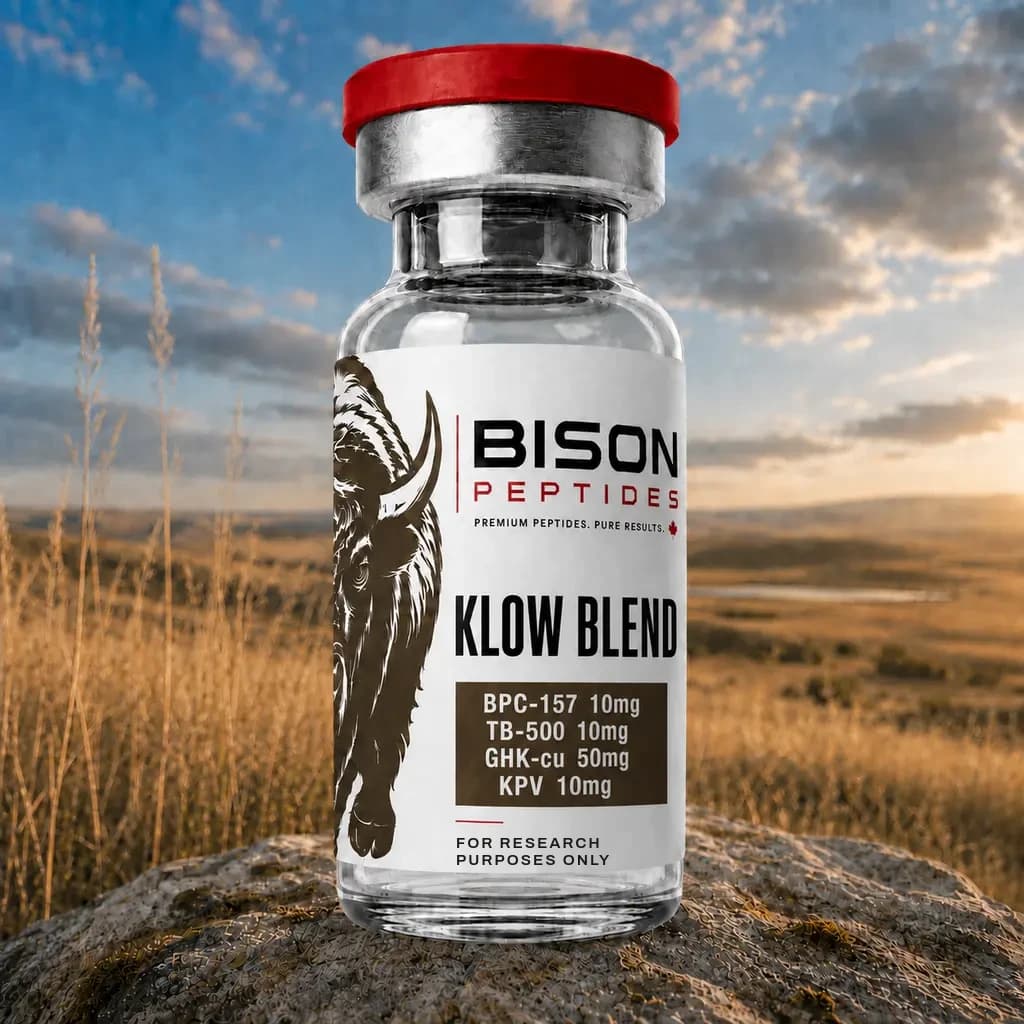
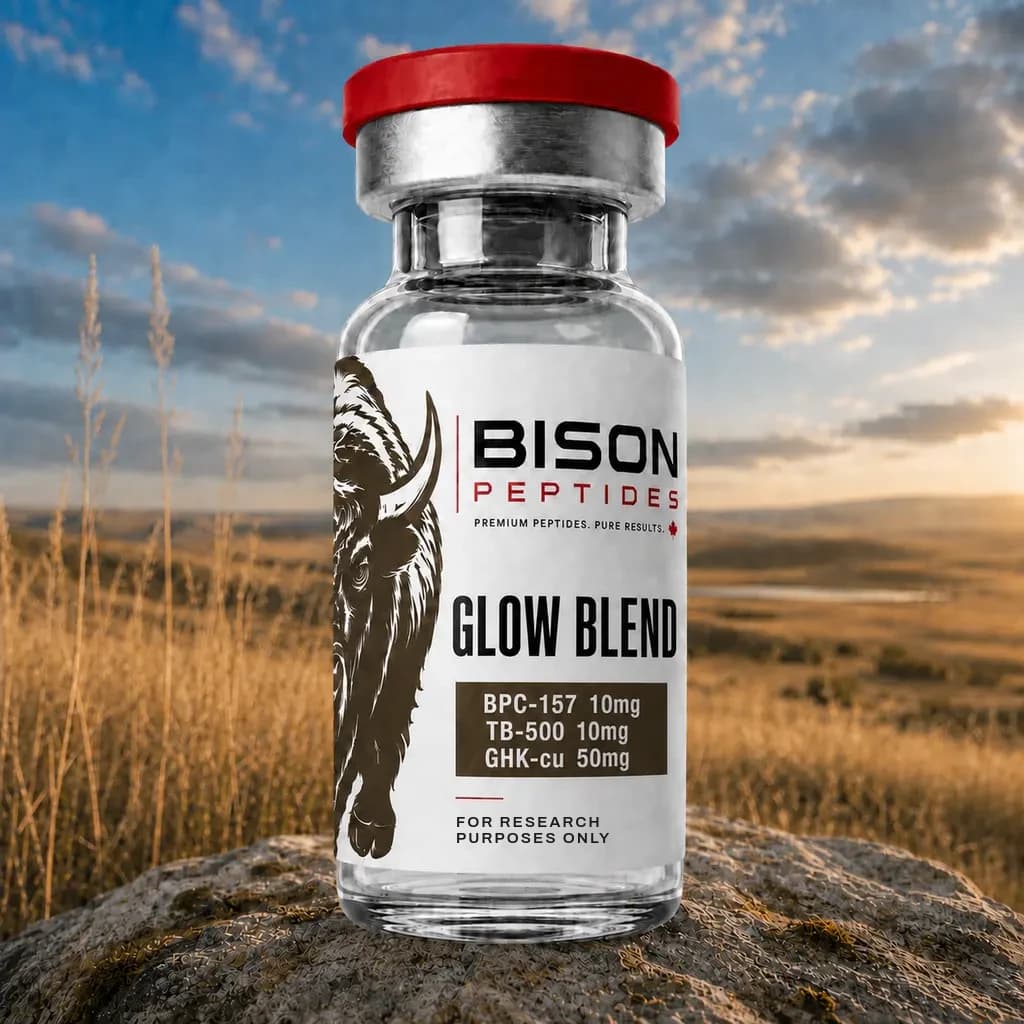
Glow Blend is aimed at buyers comparing skin-quality, collagen, connective-tissue, and recovery research in one vial. The current product label lists BPC-157 10mg, TB-500 10mg, and GHK-Cu 50mg, for 70mg total material.
GHK-Cu provides the clearest skin and extracellular-matrix rationale, while BPC-157 and TB-500 add broader preclinical tissue-response pathways. The blend is convenient, but no controlled human trial has established that this exact three-component formula improves skin, hair, healing, or recovery.
Primary buyer interest
GHK-Cu is studied in fibroblast, extracellular-matrix, collagen, and skin-delivery models.
Recovery components
Both add preclinical tissue-response pathways commonly compared for recovery research.
Exact formula
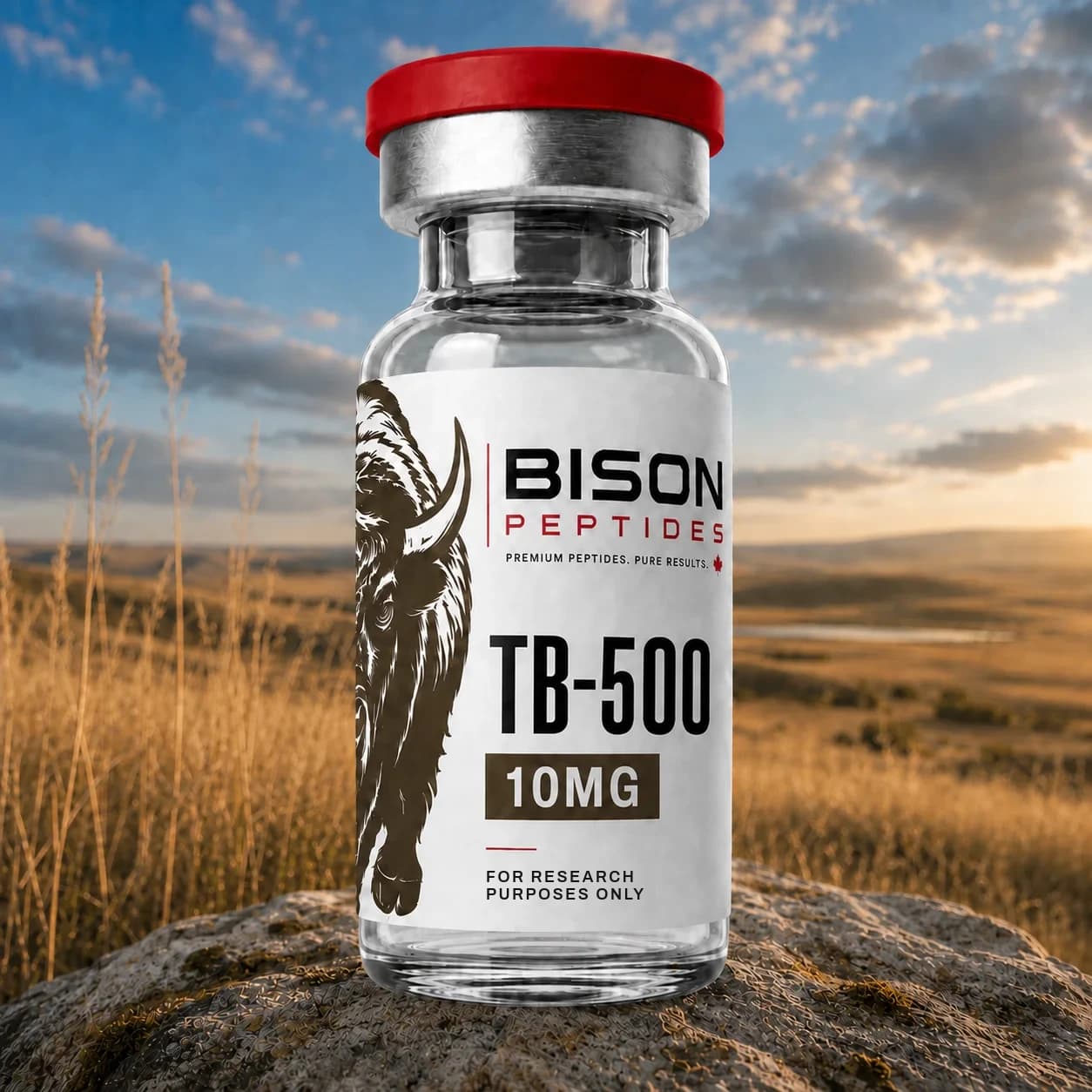
The label lists BPC-157 10mg, TB-500 10mg, and GHK-Cu 50mg.
Evidence reality
Ingredient studies do not establish the outcome of the fixed 70mg combination.
The formula has ingredient-level evidence, but no controlled outcome study of the complete blend.
| Ingredient | Main research interest | Evidence maturity | Buyer takeaway |
|---|---|---|---|
| GHK-Cu 50mg | Fibroblasts, collagen, matrix, and skin delivery | Mostly cell, animal, and formulation research | Main skin-focused component |
| BPC-157 10mg | Localized soft tissue, vascular, and gut models | Predominantly animal research | Experimental recovery component |
| TB-500 10mg | Actin, cell migration, and wound-response biology | Mostly inferred from thymosin beta-4 research | Identity and fragment evidence matter |
| Complete Glow Blend | Combined skin and recovery concept | No robust controlled human trials | No proven synergy or result timeline |
The blend formula should be evaluated on its own label and batch documentation. Evidence for one ingredient does not validate every component or the combined product.
GHK-Cu is the largest component at 50mg and is the main reason buyers associate Glow Blend with skin, collagen, and cosmetic research. Cell and animal work examines fibroblasts, collagen, extracellular-matrix remodeling, wound response, and oxidative signaling. The strongest practical human relevance is topical and skin-delivery research, not injectable cosmetic outcomes.
BPC-157 10mg and TB-500 10mg add separate preclinical recovery rationales. BPC-157 is studied in localized soft-tissue and gastric models, while thymosin beta-4 biology involves actin, cell migration, and wound response. Combining them does not prove synergy or make each ingredient's evidence stronger.
Glow Blend is the simpler purchase for someone intentionally looking for a GHK-Cu-led formula with BPC-157 and TB-500 already included. It avoids buying three separate vials and makes the total formula easy to see on one label.
Standalone GHK-Cu is the clearer choice when skin or copper-peptide research is the only goal. Standalone BPC-157 or TB-500 is better when recovery is the main question and independent product identity matters. The blend trades that control for convenience.
The better fit depends on whether convenience or single-ingredient control matters more.
| Product | Listed composition | Best fit | Main tradeoff |
|---|---|---|---|
| Glow Blend | BPC-157 10mg, TB-500 10mg, GHK-Cu 50mg | Combined skin and recovery research | Harder to attribute effects |
| GHK-Cu | 100mg copper tripeptide | Focused skin, collagen, or matrix research | Does not include recovery peptides |
Choose the single compound for clean attribution. Choose the blend only when all three listed ingredients are intentional.
The ingredients have plausible roles in collagen, matrix, vascular, and tissue-response research, but most evidence is preclinical and uses the compounds separately. There is no dependable percentage improvement, visible timeline, or proven human outcome for the Glow Blend formula.
Buyers should be cautious with before-and-after claims for smoother skin, faster wound healing, hair growth, or injury recovery. Those outcomes may match the marketing theme, but they have not been established for this fixed 70mg product in controlled human research.
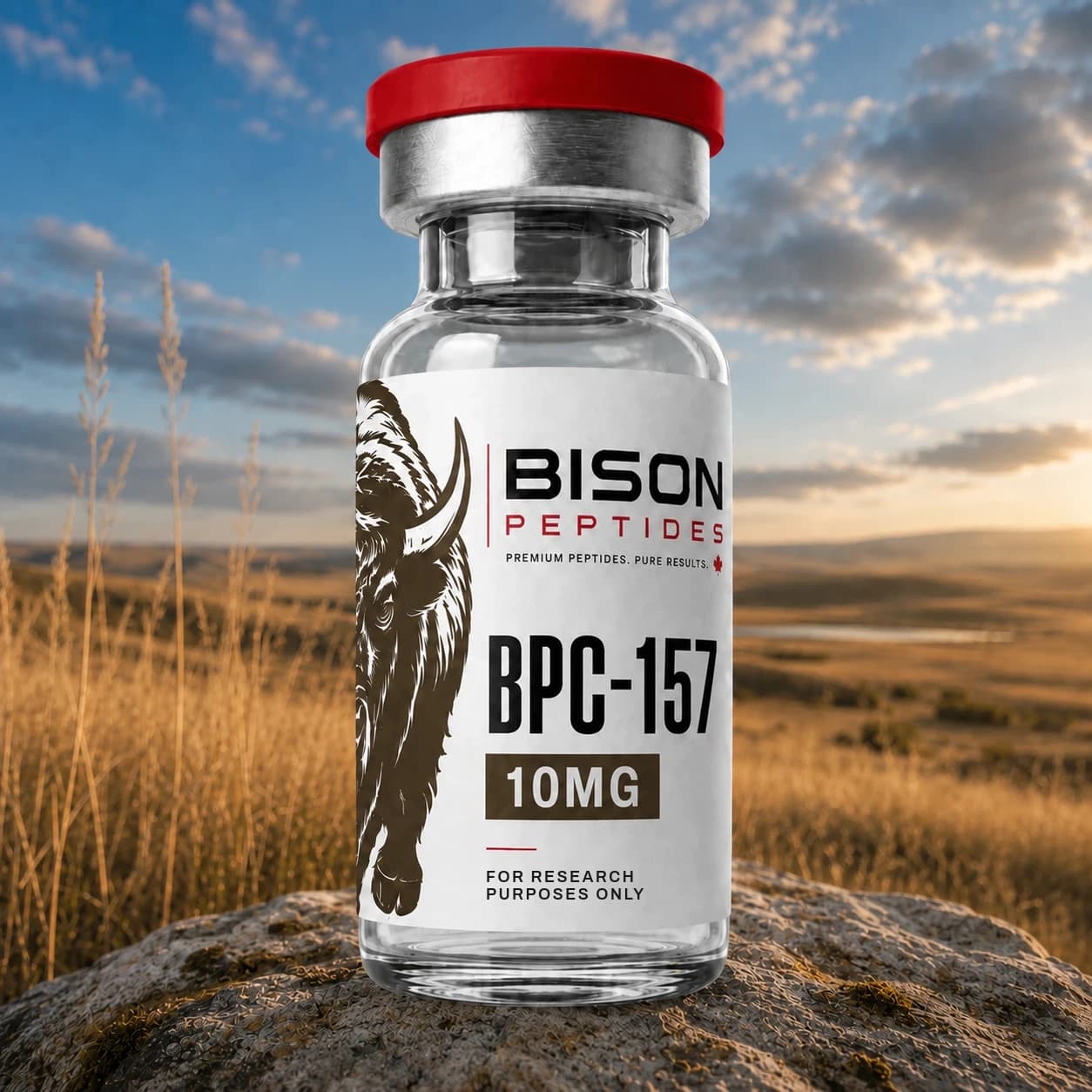
The 70mg total is the sum of BPC-157 10mg, TB-500 10mg, and GHK-Cu 50mg. It does not mean 70mg of each ingredient and it is not divided equally.
Choose Glow Blend when the listed 10/10/50 formula matches the exact combined product you want. If you mainly want one ingredient, prefer a standalone vial so the amount, COA, and observed response are easier to evaluate independently.
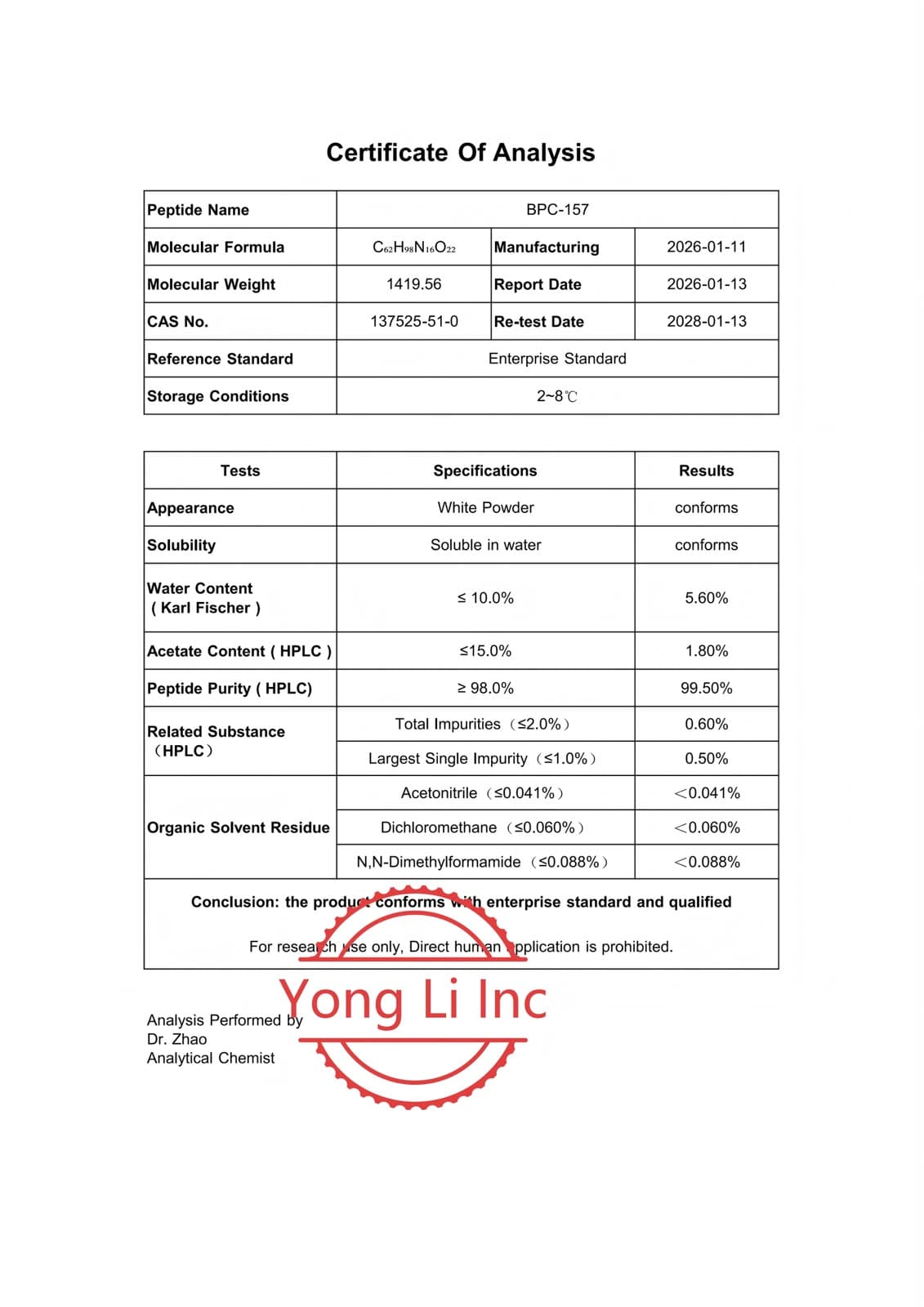
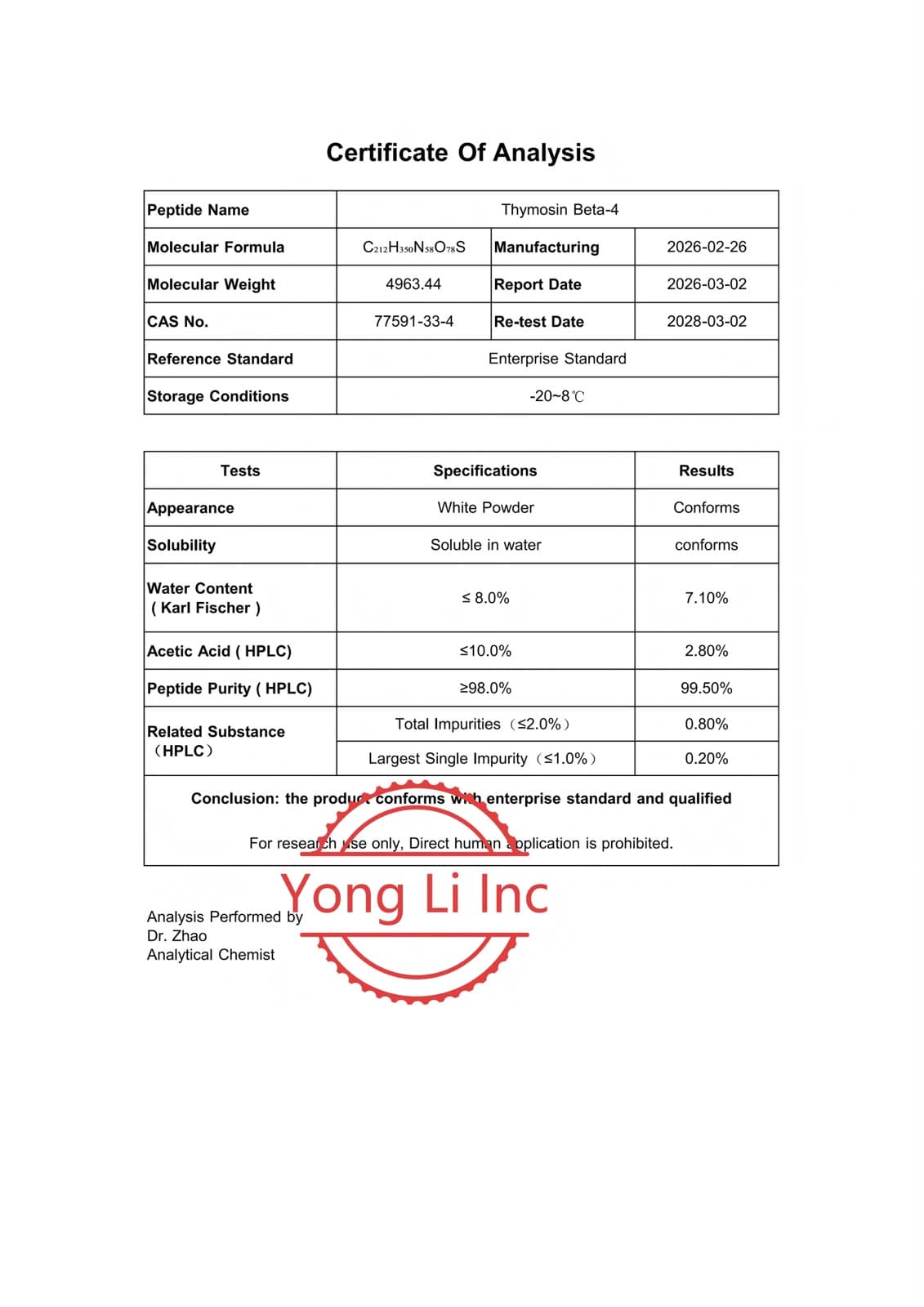
The listing identifies independent testing and COA availability. Before ordering, confirm that the available certificate identifies the compound or blend, batch or lot, test date, analytical method, and reported result. After delivery, compare the vial label with that exact documentation rather than relying on a generic certificate.
Identity, purity, fill quantity, sterility, and endotoxin testing answer different questions. A large purity percentage does not prove every other quality attribute, so buyers should check which tests are actually reported and avoid assuming that an unlisted result was performed.
The Bison Peptides Glow Blend vial is supplied as a technical laboratory research material, not an authorized prescription formulation. The page summarizes published research to help buyers understand the compound, evidence, and product format; it is not an individual treatment or dosing recommendation.
Content reviewed August 11, 2026 by the Bison Peptides editorial team.
“The Glow Blend was actually what brought me to the site in the first place. I liked the convenience of having the ingredients together in one product. The 70mg vial arrived securely packaged and the label clearly listed the blend. Really nice presentation overall.”
70mg ·
Melissa H. · Verified buyer
“I had been looking at the individual products before noticing the Glow Blend. Having them combined made the choice much simpler for me. My order arrived safely with everything sealed and clearly labeled. The packaging also looks much more polished than a lot of peptide sites I've seen.”
70mg ·
Sarah M. · Verified buyer
“Really pleased with my first Glow Blend order. Everything arrived in great shape and the vial was packaged carefully. I also like that the blend amount and ingredients are clearly stated instead of making you search around the website for that information. Easy purchase from beginning to end.”
70mg ·
Rachel T. · Verified buyer
The current vial label lists BPC-157 10mg, TB-500 10mg, and GHK-Cu 50mg. Together they total 70mg.
Buyers commonly compare it for skin quality, collagen, extracellular-matrix, wound-response, and broader recovery research. GHK-Cu is the main skin-focused ingredient, while BPC-157 and TB-500 add preclinical tissue-response pathways.
No robust controlled human trial has established outcomes for this exact three-ingredient blend. Evidence comes mainly from studies of the individual ingredients, often in cells or animals.
Glow Blend is more convenient if you intentionally want all three ingredients. Standalone GHK-Cu is easier to evaluate when skin, collagen, or copper-peptide research is the only goal and you want cleaner attribution.
No. It is the total across all ingredients: 10mg BPC-157, 10mg TB-500, and 50mg GHK-Cu.
Both labels list BPC-157 10mg, TB-500 10mg, and GHK-Cu 50mg. Klow Blend adds KPV 10mg, bringing its total to 80mg and shifting its concept toward an additional anti-inflammatory and gut-related research pathway.
Ideally it should identify all three ingredients, the batch or lot, test date, analytical method, and component-specific identity or quantity results. One total purity number may not fully characterize a multi-component blend.